
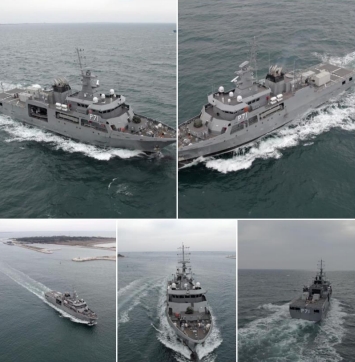
Epsilon Malta Ltd assists the AFM Project Team to prepare the tender documentation for the procurement of the new offshore patrol vessel.
Proposed to develop and demonstrate an autonomous passenger ferry system for coastal commuting, integrating advanced sensors, infrastructure connectivity, cybersecurity, and real-time monitoring. Included feasibility studies, pilot operations in Germany and Greece, and long-term handover to the Hellenic Navy.
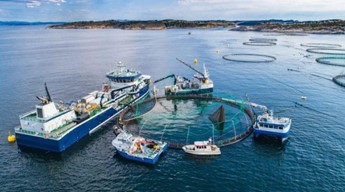
Evaluation of the sustainable exploitation of fish waste for the extraction of bioactive molecules (BAMs) and marine collagen for applications in health, cosmetics, nutraceuticals, and agri-food industries. EPSILON led the socio-economic and environmental impact assessments under WP6 of the project.
Designed a cyber-secured decision support toolbox to enhance maritime surveillance capabilities. Developed scenario simulators, multi-layer GIS modules, risk assessment tools, and a foresight technology watch platform.

Advanced sustainable shipyard operations and circular economy practices. Delivered digital twin shipyard models, lifecycle assessments, and developed the EU Ship Material Passport for tracking resource use and emissions.

Proposed to create an intelligent logistics platform using Digital Twins, AI, and blockchain to optimize multimodal supply chains. Targeted zero-emission logistics and synchronized transport operations through real-time simulation and stakeholder integration across European corridors.
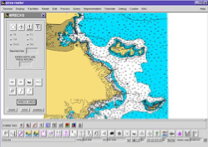
In partnership to LaserScan Ltd, UK, EPSILON produced for a private client and the Hellenic navy a demonstrator. The set of electronic navigation charts followed the ECDIS/S57 standards.

Roadmap for energy-efficient waterborne transport aligned with the EU Fit-for-55 strategy. Delivered a decision support system, digital platform, 10 use cases, and business models for new and retrofitted vessels.
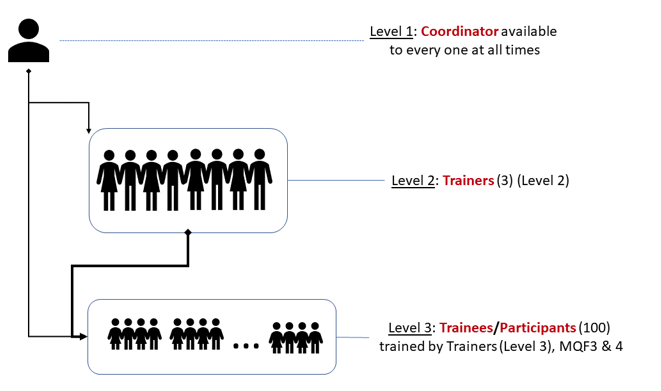
Proposed to train 140 public servants in Malta on GIS and remote sensing. Delivered modular courses (basic and advanced), skill assessments, and digital resources to improve spatial planning capacity and compliance with EU data directives (e.g. INSPIRE, Aarhus).

Innovative, holistic ship design optimization technologies with functional requirements, constraints and performance indicators, for designers and shipyards
Evidence-based best practices, smart methods, and ICT via user-friendly tools to prevent and manage health issues on cruise vessels, like the Covid-19
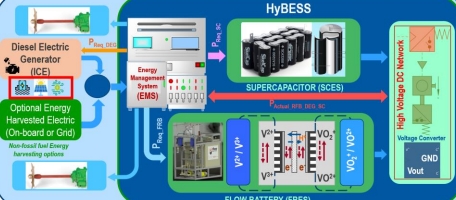
INTEGRATED HYBRID-ENERGY STORAGE SYSTEMS FOR WATERBORNE APPLICATIONS

Developed a VR-based small boat simulator for skipper training. Delivered immersive environments, real-time weather simulations, cloud computing platform, and instructor tools for improving maritime safety through experiential learning.
The project involved the design, development, deployment, and maintenance of an interactive web-based educational platform for the Gharb Local Council, Gozo, under the Interreg V-A Italia-Malta AMPPA project. The goal was to enhance public awareness on marine biodiversity, sustainability, and environmental conservation through gamified digital tools.

Proposed to develop inherently safe, modular battery systems for waterborne transport. Focused on cell-level thermal runaway prevention, predictive maintenance, harmonized certification processes, and system-wide electrification integration across maritime vessels.
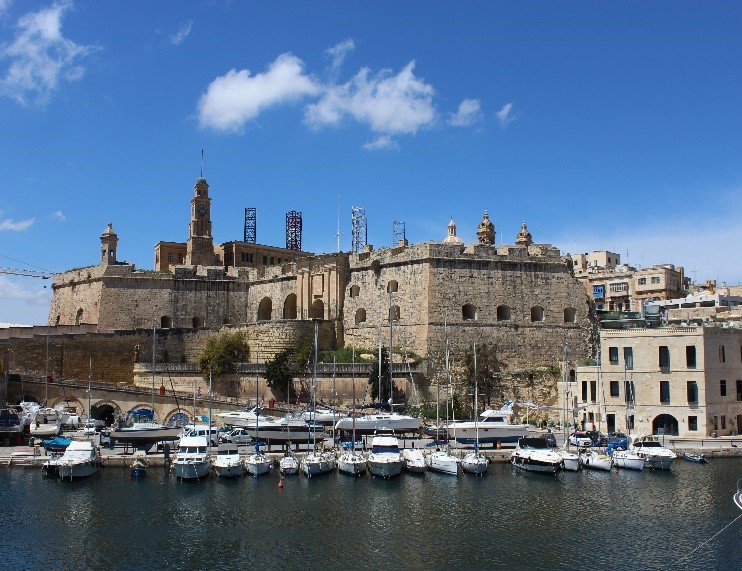
Conducted hazard analysis and emergency planning for Valletta’s cruise terminal. Delivered evacuation protocols, risk scenario modelling, and tabletop exercises for Transport Malta.
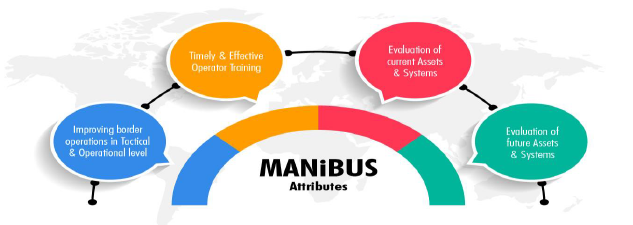
Proposed to design a 4D digital twin system for land and maritime border surveillance. Delivered interoperable platforms, training tools, XR interfaces, decision-support modules, and real-time integration of heterogeneous data for improved EU external security.

Proposed to develop a hybrid autonomous underwater system combining AUV and glider technologies. Delivered enhanced energy efficiency, secure data transmission, deep-sea mapping capabilities, and operational autonomy with low-cost deployment systems.
TRL9 web platform for life-cycle optimization in shipping. Delivered decision support tools, lifecycle KPIs, and risk-reducing algorithms for vessel design, operation, and end-of-life strategies.

Proposed to develop an open-access web platform for maritime safety, modeled after SKYbrary (aviation). Included human performance modeling, risk-based operational design, incident databases, training optimization tools, and modular safety innovation toolkits.
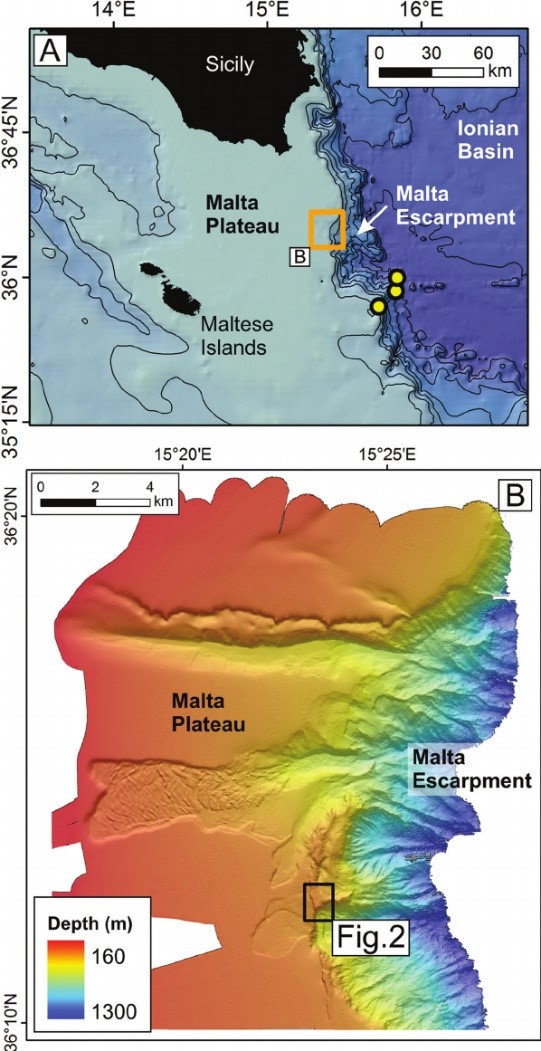
Proposed to deliver high-resolution multibeam mapping and bottom characterization in five marine zones around Malta. Included sediment sampling, geophysical interpretation, and digital seafloor maps to support national marine spatial planning and conservation actions.
Information and Communication Technologies (ICT) for the sustainable, individualized and completely automated energy management of ships via. AI supported navigation.
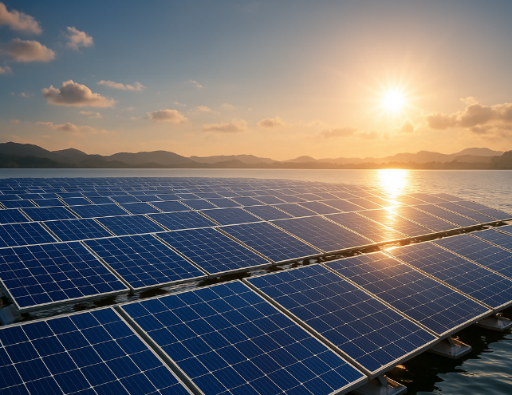
Proposed to design, build, and test a resilient offshore floating solar platform (FPV) for harsh oceanic environments. Delivered TRL6 prototypes, structural testing, circular materials evaluation, and commercialization strategy aligned with EU ocean energy objectives.
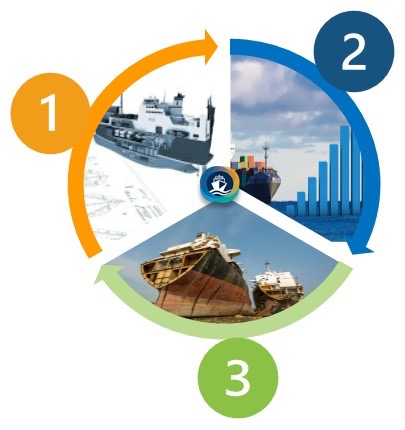
Integrated LCA/LCC/LCPA life cycle technology and DSS to optimizing shipping building, ship operations, and ship end of life (scrap), based on operations research modelling
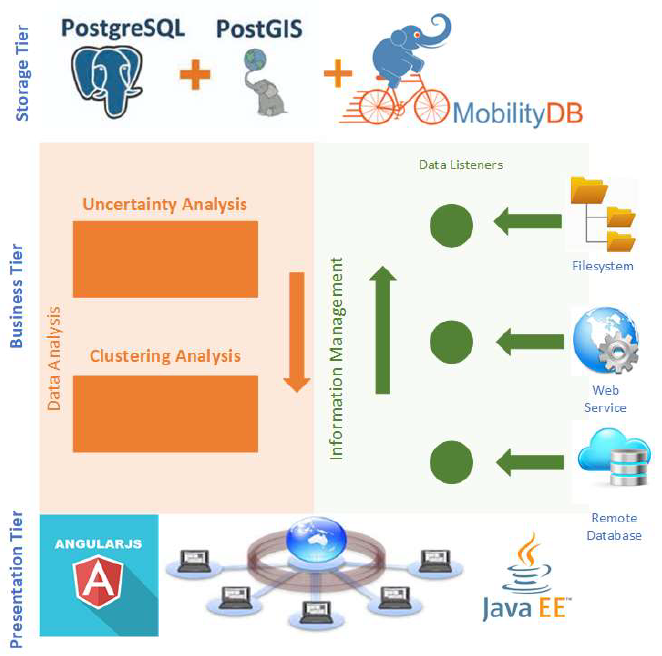
Proposed to build a PostgreSQL/PostGIS-based platform for mapping and analyzing vessel density in European waters. Aimed to support EU Green Deal objectives via digital density maps, marine data integration, and a user-friendly web GIS interface with open-source tools.