
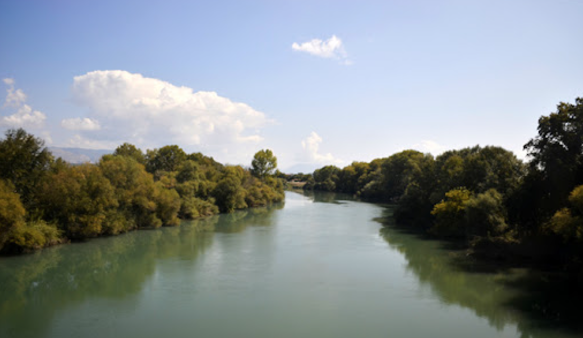
Environmental Impact Assessment for irrigation and drainage works in Zones 11A–11B of Kato Acheloos. Covered pumping systems, agrochemical impact, habitat disruption, and water quality monitoring measures.
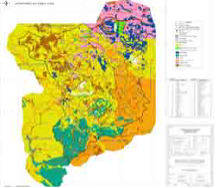
The main objective of ACHERONTAS project was the Environmental Impact Assessment for the Agricultural Development of the Acherontas Region.
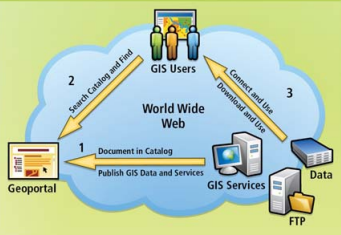
Developed a pan-African toolbox and geoportal for sustainable natural resources management. Delivered integrated datasets, capacity-building workshops, and policy support tools for water, soil, and biodiversity sectors.

EIA and rehabilitation for a small-scale hydropower unit in Prespa. Included environmental design, downstream flow guarantees, and ecosystem conservation in a sensitive riparian zone.

Designed an edge-computing, IoT-powered ecosystem for sustainable agriculture. EPSILON contributed to system architecture, and integration of ADSS for edge-based farming intelligence.
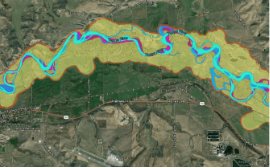
Developed UAV and satellite-based tools to manage herbicide-resistant weeds in rice farming. EPSILON delivered GIS mapping, cloud platform integration, and predictive risk algorithms.
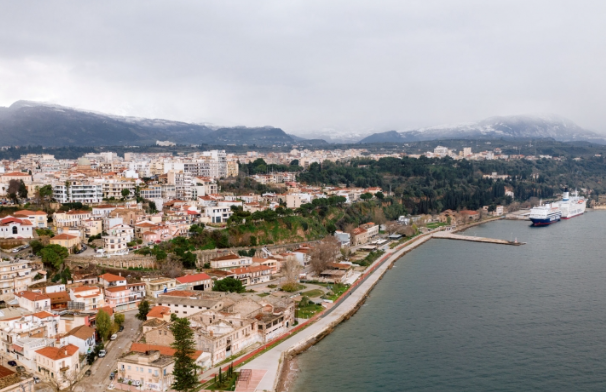
The project involved an Environmental Impact Assessment for the 70ha Industrial Area in southeastern Aigio, aiming to relocate existing industrial units, protect residential areas, and foster new industrial development.

A modular and scalable GIS-based platform designed to support the entire life-cycle of forest and wildland fire management. It delivers situational awareness, early warning, crisis simulation, post-disaster impact assessment, and knowledge dissemination tools for Civil Protection and Disaster Risk Management (DRM) authorities. Brochure

Geomatics / GIS methodology for Soil Fuel Classification production and mapping (FCM Webservices) based on INSPIRE principles, supporting the ArcFIRE wildfires platform
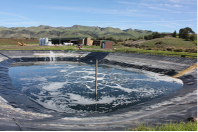
The project provides an innovative detailed engineering design for a waste treatment process & disposal, related to a small and typical wine producing industry, targeted to meet the “zero-emissions” principle.
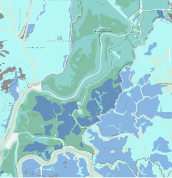
The project creates a fully integrated water system which ties together all parts of the network, including the geographic information system (GIS), water leakage management system, pumping station control systems and the SCADA systems at each service branch. EPSILON is supplying a 5-years training and a 3-year preventative maintenance.
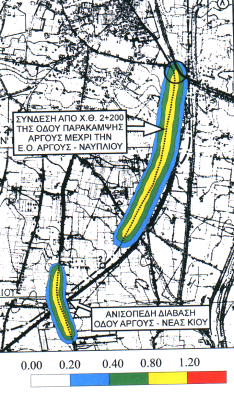
Environmental Impact Assessment for the Argos Bypass termination and flyover to N. Kios road. Evaluated impacts on noise, aesthetics, vegetation, and traffic improvement; proposed slope planting, monitoring, and excavation waste management.

Earth observation technology (Sentinel-4/5) to monitor the atmospheric ozone profile with unprecedented accuracy with multiple applications, incl. UV skin-heath impacts
Proposed to develop and demonstrate an autonomous passenger ferry system for coastal commuting, integrating advanced sensors, infrastructure connectivity, cybersecurity, and real-time monitoring. Included feasibility studies, pilot operations in Germany and Greece, and long-term handover to the Hellenic Navy.
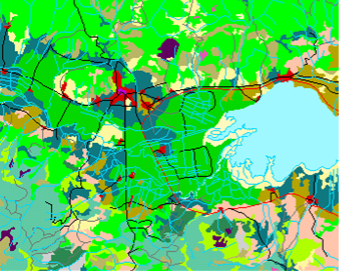
The NPS research project establishes a network of Mediterranean & Black Sea scientific organizations on state-of the-art GIS technologies as remote sensing and mathematical modelling integrated in a GIS database for the control and surveillance of Mediterranean & Black sea coastal water resources and the estimation of NPS pollution impacts.
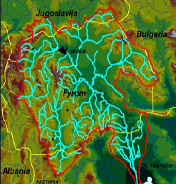
The project is funded by the Hellenic Foreign Office and delivers a sustainability & action plan for the entire river basin and the cataloguing of data and information stored into a publicly available website.
The aim of the project was the environmental authorisation of works of sanitation and wastewater treatment plant of the Municipality of Elafonisos.
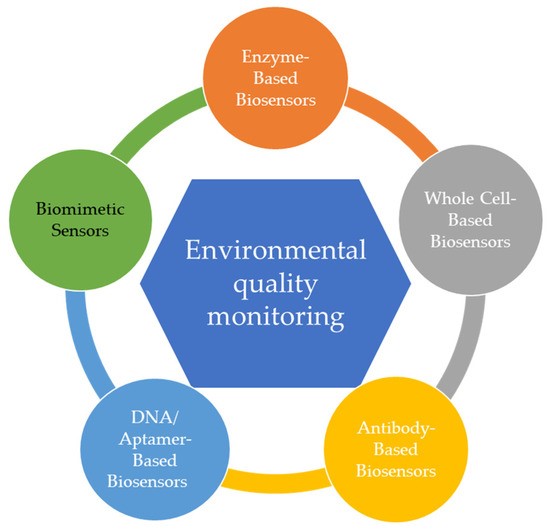
Proposed to design modular biosensors for detecting pollutants in water using advanced materials, RNA-based elements, and fiber-optic or microelectronic systems. Targeted TRL5 with in situ validation, LCA analysis, and integration with EU environmental data platforms under Zero Pollution Action Plan goals.
Management technologies and training for the reduction of marine debris from the fisheries and aquaculture value chain in 6 European Mediterranean ecosystems.

It aims at delivering time-aware extension of data models developed in the context of previous/ongoing EU INSPIRE related projects, application based on the integration of existing databases and services and value added services for spatio-temporal data management, processing, analysis and interactive visualization.
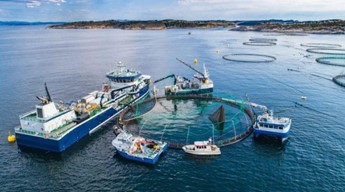
Evaluation of the sustainable exploitation of fish waste for the extraction of bioactive molecules (BAMs) and marine collagen for applications in health, cosmetics, nutraceuticals, and agri-food industries. EPSILON led the socio-economic and environmental impact assessments under WP6 of the project.
The EPSILON-CICADE joint venture bases its operations on the production of mapping data, from the aerial photographs to the processing and provision of that data.

CITY-WELLNESS proposed the development of a globally scalable, AI-powered Software-as-a-Service (SaaS) platform to support urban decision-makers in implementing zero-pollution strategies. Building upon Horizon 2020 NetZeroCities and EO4EU technologies, the platform integrates environmental monitoring, health risk assessment, and socio-economic indicators into a City Digital Twin (CDT) and a City-Wellness Index (CIWI).
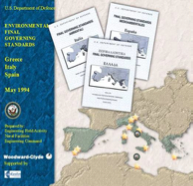
The Project aimed to analysing and comparing national Laws and Directives, European Commission Directives, and USEPA and DoD Regulations.
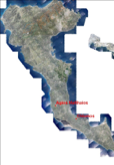
The purpose of the project was the preparation of an integrated local sustainable development program, implementing NATURA 2000 and the Habitat Agenda for settlements St, Mathiew and Hlomos of Meliteieon Municipality of Corfu Prefecture.
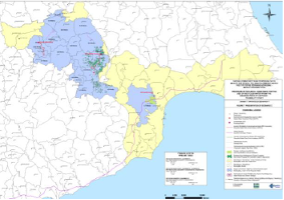
Extension of the main project which has been the integrated master plan of the broader area of Nicosia. It concerns the use of recycled water from sewage treatment plants (STPs) Anthoupoli and Vathia Gonia of the broader area of Nicosia, and STPs in Aradippou.
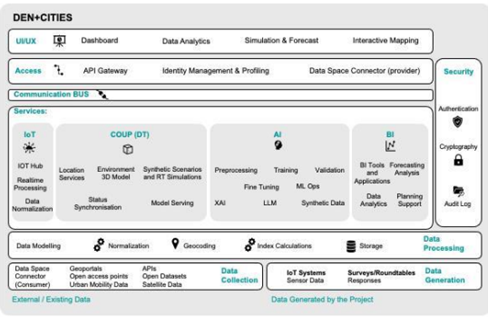
DEN Cities proposed to develop a scalable, people-first model for designing Energy Neutral+ (EN+) districts, aiming to transform urban density into a tool for climate-neutral transitions.
The project aims at the irrigation of Erythropotamos low plain fields and the area western side of Evros, from Didimotiho – Soufli to Erythropotamos river delta.

The object of this contract was the provision of technical services in the field of environment to support the Municipality of Nestoras to provide consultancy services to the project “Sewage and sewage treatment plant of choras, municipality of nestoros messinias prefecture”.

The general aim of the project is the drainage and flood protection in the river basin of Agios Ioannis Theologos located at the Municipality of Papagos.
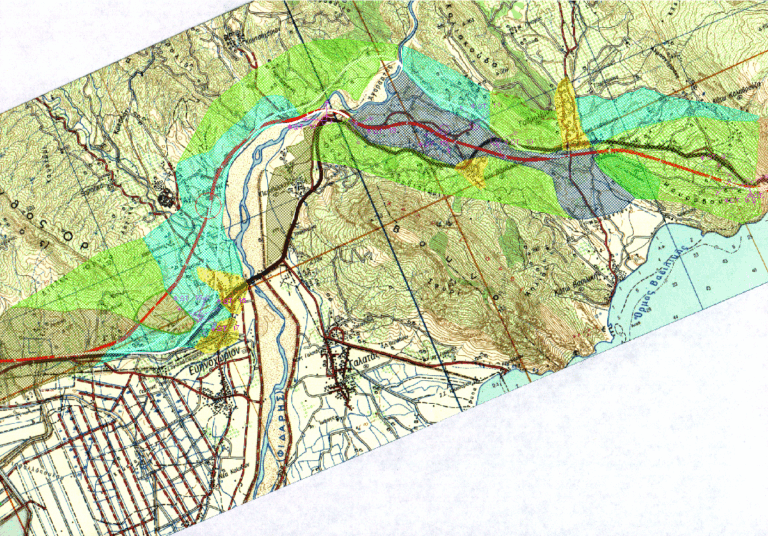
Feasibility and environmental studies for the Igoumenitsa–Patra–Pyrgos–Kalamata road axis and Antirio–Agrinio segment. Evaluated alternative alignments based on environmental compatibility, cost, and development potential.
Conducted EIA for the “Panagia–Makryxwri” section of the E65 motorway through sensitive NATURA 2000 areas. Addressed biodiversity, land use, population distribution, and non-point source pollution in Pindos and Kalabaka regions.
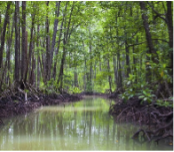
The aim of the project is to promote convergent conservation strategies at landscape scale for coastal habitats of Community significance.

Advanced sustainable shipyard operations and circular economy practices. Delivered digital twin shipyard models, lifecycle assessments, and developed the EU Ship Material Passport for tracking resource use and emissions.

Established an Environmental Economics and Policy Centre in St. Petersburg through EU–Russia academic cooperation. EPSILON led training, curriculum design, EU law transfer, and creation of long-term institutional ties.
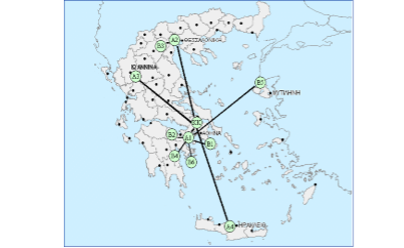
The National Environmental Information Network/system (EDPP) is a major project of the Ministry of Public Works Environment & Re-gional Planning (YPEXODE) aimed at compiling, cataloguing and exposing via the Internet available environmental information on Greece.
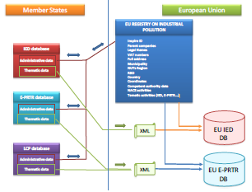
The aim of this project is to assist EU member states in the reporting of their industrial emissions. Reporting will be carried out using a flexible and user-friendly Electronic Reporting Tool.

The project involved the design of the Eggares Reservoir in Naxos, exploiting surface water runoff in Cycladic watersheds for irrigation and water supply under semi-arid and high-tourism conditions.
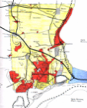
The aim of the study has been the investigation of the environmental impacts of the exploitation of the geothermal reservoir in N. Kessani and introduction of mitigation measures, for a major development plan considering energy production, use of thermal water for greenhouse operations and use of water for thermal surface water enrichments for industrial purposes
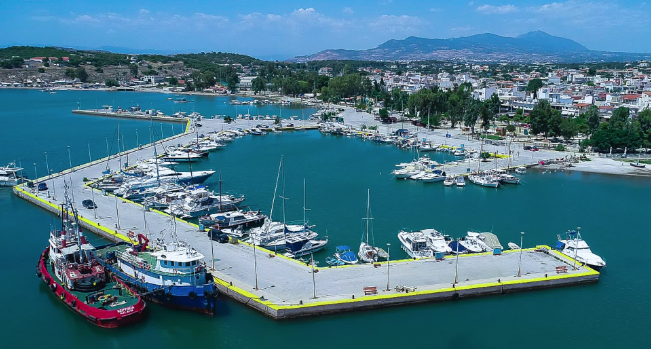
Development of new port facilities west of the existing port in Elefsina. Scope included breakwater construction, dredging, and infrastructure enhancement, with emphasis on MARPOL compliance, pollution control, and landscaping.
The project aims to provide a web-based application, offering the Greek legislation and the European Directives on Water Environment.
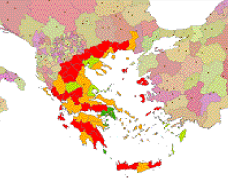
The project aimed to develop a theory and a mathematical model platform combined with a tool to assist decision makers to estimate sustainability of regions and generate and cluster environmental sustainability indicators (ESIs) for EU-NUTS-II and NUTS-III regions.
Developed an emergency management system for oil spill monitoring using satellite remote sensing and GIS. Included image analysis, simulation models, database tools, and decision support for public authorities across the Mediterranean.

The aim of this European Commission funded project is to integrate a large amount of environmental data provided by the National/Regional Environmental Agencies and other public and private environmental stakeholders involved.
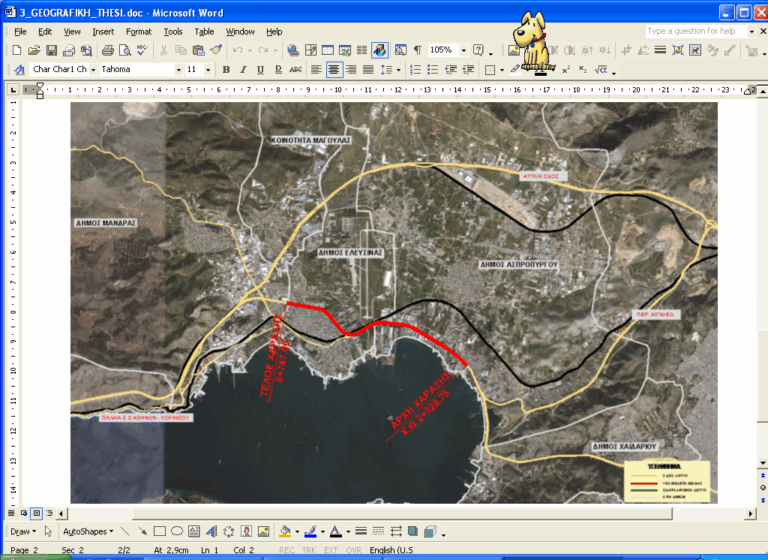
EIA for the conversion of the Athens–Korinthos National Road (Dafni–Elefsina) into a highway. Scope included eco-data acquisition, physical and biological analysis, impact modeling, and legislative compliance for environmental permitting.
Created EO-based mapping services for the retail sector under ESA funding. Delivered geospatial analytics integrated with marketing software, validated through field surveys and statistical comparison, and promoted at industry events.
The project aimed at an integrated river management dealing with hydrologic and environmental engineering studies related to the storm drainage of the National Railway of Greece.
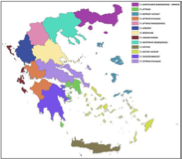
The project delivered the SEA for the new waste management plans & legislative frameworks for Greece.
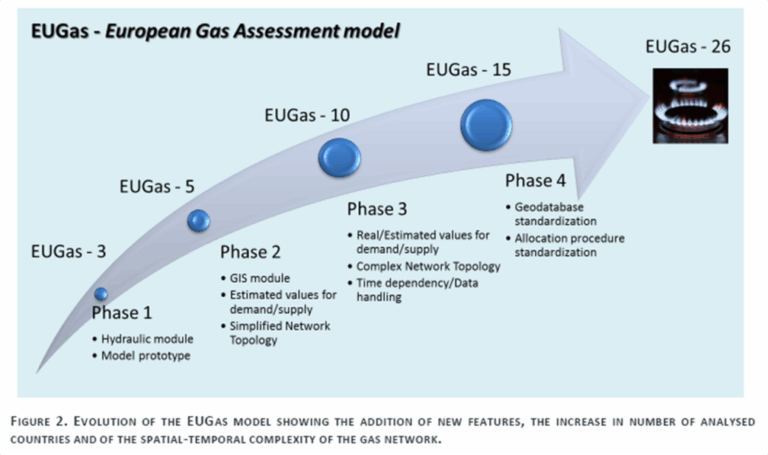
The project extended the EUGas model to 10 EU countries, integrating national gas transmission systems in a GIS environment to assess infrastructure resilience under geopolitical and technical stress scenarios.
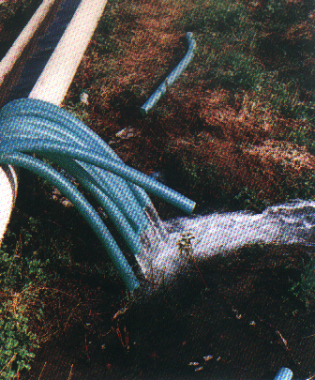
The project assessed environmental impacts from an irrigation scheme in Kato Evrotas, Peloponnese, addressing agrochemical use, river water quality, and proposing protection for the Asteriou biotope
Used satellite radar interferometry (MTInSAR) to detect ground deformation in Attica. Produced vulnerability maps, conducted feasibility studies, built stakeholder capacity, and supported EO-based land-use planning and safety management.

Roadmap for energy-efficient waterborne transport aligned with the EU Fit-for-55 strategy. Delivered a decision support system, digital platform, 10 use cases, and business models for new and retrofitted vessels.
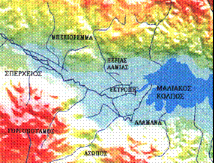
The project evaluated and compared both a hydraulic and environmental level constructive solutions, presenting valuable conclusions concerning the integrated management of the region.
An integrated GIS and remote sensing platform for flood risk monitoring across the Mediterranean and Black Sea basins. Provided modeling tools, land use mapping, water quality parameterization, and training workshops in 6 countries.
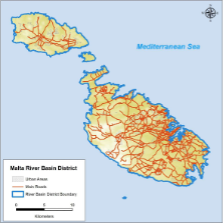
The overall objective of the contract is the preliminary assessment of the Malta River Basin District for the identification of catchments with a potential significant flood risk, including the development of a national scale predictive model.

Construction and operation of the Gadouras Dam on Rhodes, supplying water to eastern regions and supporting irrigation. Addressed erosion, fauna disruption, sedimentation, and required constant downstream flow for biodiversity conservation.
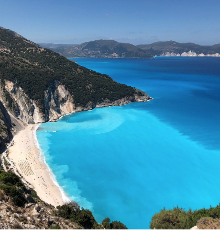
The aim of this study was to develop an integrated framework for the protection and management of Myrtos beach on the island of Kefalonia and regions whereby it is connected directly and all the necessary technical assistance and management measures.

Designed Greece’s National Geology GIS System with 40 thematic layers across 30 regions. Produced digital and print geological products, reinforced IGME’s research capabilities, and developed a commercial data distribution platform.
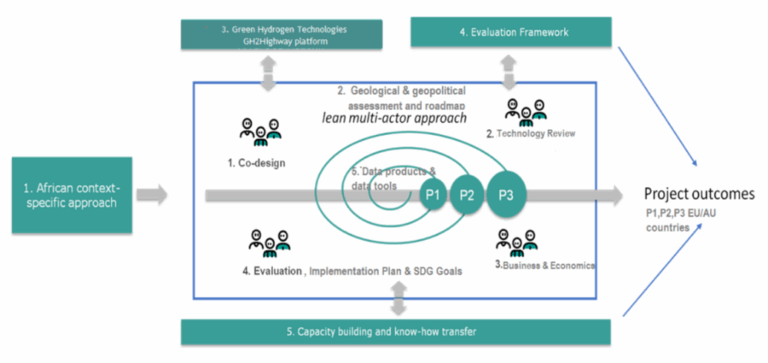
Proposed to establish a Europe–Africa green hydrogen corridor, delivering geological storage analysis, infrastructure simulation, and hydrogen ecosystem modeling. Aimed to strengthen EU energy resilience and support African development through sustainable H₂ supply chains.
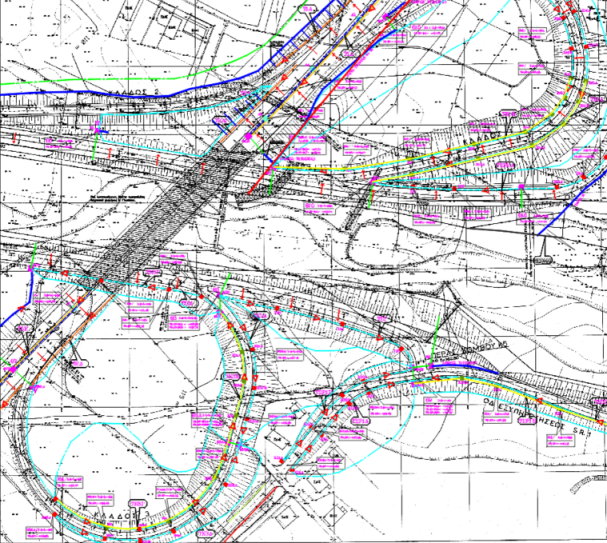
Hydraulic and environmental studies for the Glaukos River crossing in the Patras bypass. Included flood level modeling, runoff simulation, and design of drainage and control infrastructure at complex road junctions.
Multi-Risk platform based on risk models for 9 hazards: earthquake, wildfire, landslide, ground movement, volcano, tsunami, extreme weather, flood, industrial accident.
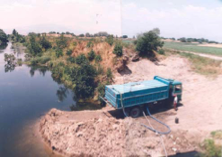
The project aimed to design a monitoring programme for the water resources of the region, both surface and groundwater, model the groundwater via both, the SESOIL and the MODFLOW model, propose mitigation measures for the protection mainly of the groundwater and secondarily of the surface waters.
New Generation of a recoverable low-cost micro-UAV platform for wildfires, structurally robust to fly through the fire and acquire/forward real-time info for fire management

Innovative, holistic ship design optimization technologies with functional requirements, constraints and performance indicators, for designers and shipyards

Proposed to deliver a modular geo-referenced cloud platform (HPlus) for climate risk analysis, remediation, and lifecycle-based decision-making on cultural heritage sites. Included visualization tools, pilot sites, conservation guidelines, and an EEIG for long-term platform operation.
Proposed to deliver a modular geo-referenced cloud platform (HPlus) for climate risk analysis, remediation, and lifecycle-based decision-making on cultural heritage sites. Included visualization tools, pilot sites, conservation guidelines, and an EEIG for long-term platform operation.
Evidence-based best practices, smart methods, and ICT via user-friendly tools to prevent and manage health issues on cruise vessels, like the Covid-19
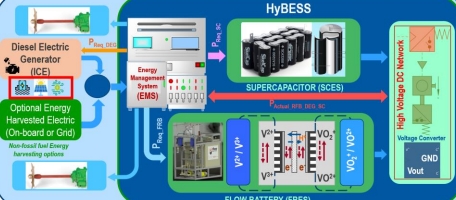
INTEGRATED HYBRID-ENERGY STORAGE SYSTEMS FOR WATERBORNE APPLICATIONS
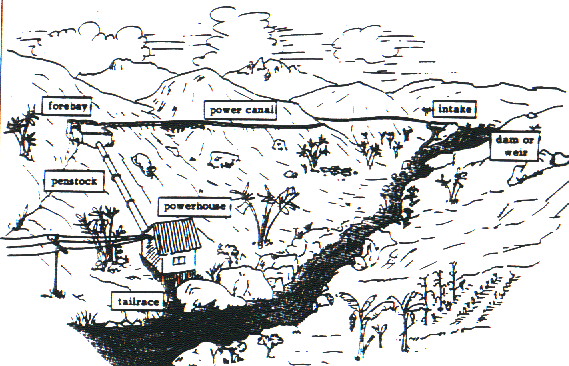
The project developed a guide for assessing environmental impacts of small hydropower plants (SHP), including best practices, EIA steps, and evaluation of physical, biological, and socioeconomic environments.
Open 3D-platform for three smart city services: routing,, renewable energy, real-time noise mapping, interfaced into the City Operations via webservices.
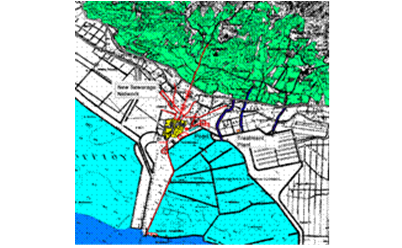
The study involved an analysis of all environmental parameters of the major Aitoliko-Messologhi area, including the physical, biotic, socio and economic environments of the wetland and sea lagoon complex.
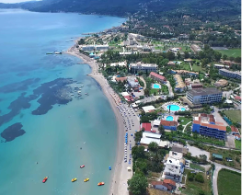
The purpose of the project was the preparation of an integrated local sustainable development program, implementing the Habitat Agendafor settlements St, Mathiew and Clomos of Meliteieon Municipality of Corfu Prefecture, whose philosophy, directions, specific actions and measures respond effectively the needs and problems of the local community while prescribing the prospects for sustainable development.
The project involved the design, development, deployment, and maintenance of an interactive web-based educational platform for the Gharb Local Council, Gozo, under the Interreg V-A Italia-Malta AMPPA project. The goal was to enhance public awareness on marine biodiversity, sustainability, and environmental conservation through gamified digital tools.
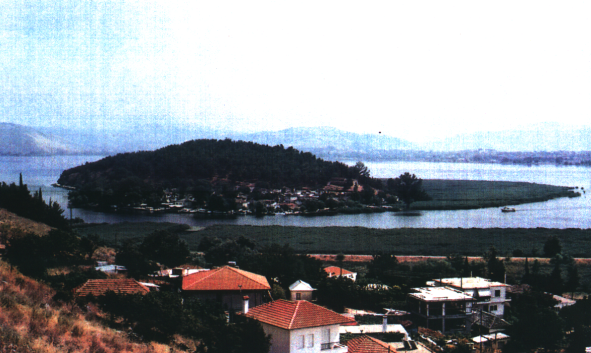
Water diversion from Metsovitikos River to Lake Pamvotida aimed at enrichment and supply. Covered EIA issues such as slope stability, waste management, flooding reduction, and land use change.
Proposed to develop inherently safe, modular battery systems for waterborne transport. Focused on cell-level thermal runaway prevention, predictive maintenance, harmonized certification processes, and system-wide electrification integration across maritime vessels.
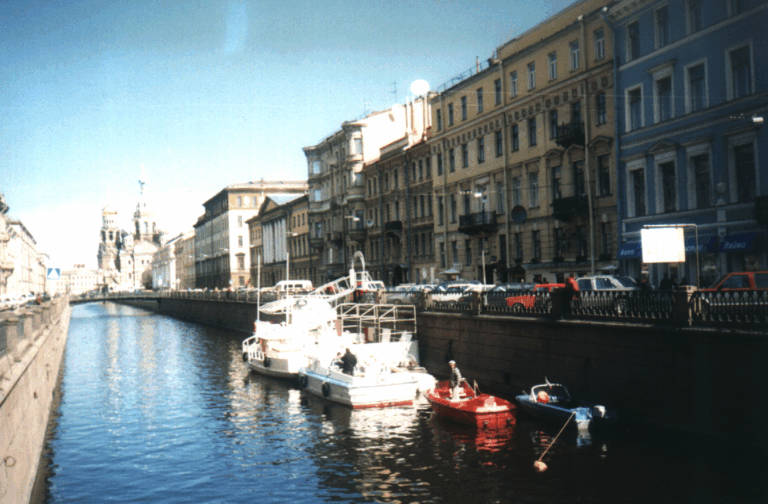
Creation of the “ECOS” Center at St. Petersburg Technical University under the Tempus-Tacis program. Delivered training on environmental economics and developed curricula in agriculture, energy, and transport.
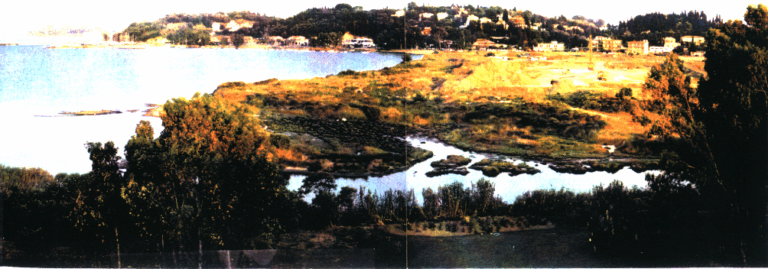
Rehabilitation management study of Potamos Kerkyras focused on riverbed restoration, pollution reduction, flooding prevention, and visual/ecosystem enhancement using phased interventions and alternative financing.
Developed a management plan for the Bouka wetland near Potamos River in Kerkyra, including artificial wetland design, area rehabilitation, and protection measures for construction near the sewage treatment plant.
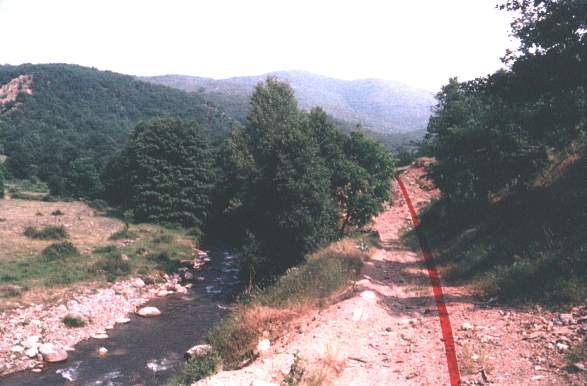
Improvement of the Kastoria–Florina national road, bypassing Kastoria and enhancing transport to Krystallopigi and Prespes. EIA included mitigation of noise, erosion, habitat loss near Aliakmonas River, and proposed measures for landscape and ecological protection.
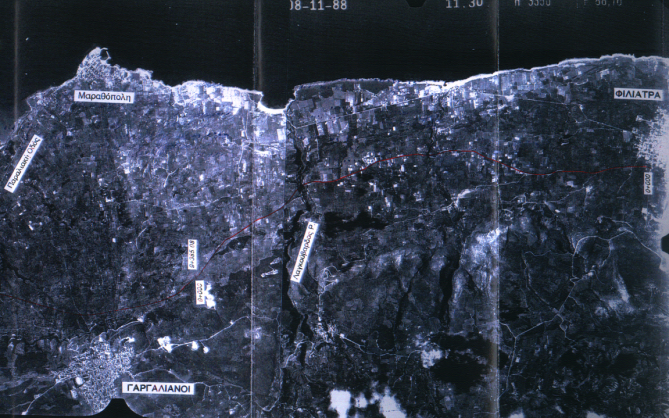
Environmental Impact Assessment for the Kyparissia–Romanos road section under the Community Framework Programme II. Focus on minimizing impacts such as soil erosion, noise, and water pollution during road alignment and bypass works.
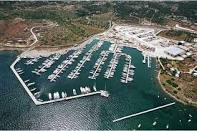
Environmental Impact Assessment for the construction and operation of Lavrio Port’s recreational marina zones (Marines A and B). Included eco-data collection, spatial analysis, modelling, and stakeholder consultation on mitigation planning.
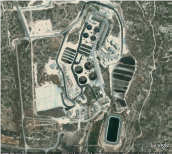
Feasibility study for the reuse of recycled water from Limassol’s treatment plants. Assessed storage and discharge alternatives, developed hydraulic models, and recommended cost-effective reuse scenarios such as aquifer recharge and irrigation.
Proposed to establish a large-scale biodiversity observation and simulation framework across EU sea basins. Included sensor networks, spatial prioritization for conservation, data integration from EO platforms, and modeling of biodiversity shifts due to human and climate pressures.
Proposed to establish a large-scale biodiversity observation and simulation framework across EU sea basins. Included sensor networks, spatial prioritization for conservation, data integration from EO platforms, and modeling of biodiversity shifts due to human and climate pressures.
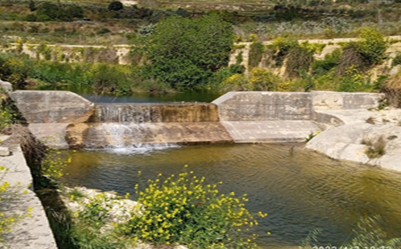
GIS database for 71 Dams and 75 Reservoir sites, to accommodate dams/reservoirs technology inspection, water - agricultural usage, rehabilitation regulatory policy
The purpose of the project is to evaluate the risk from known threats and hazards that have the potential to significantly impact Malta’s security.
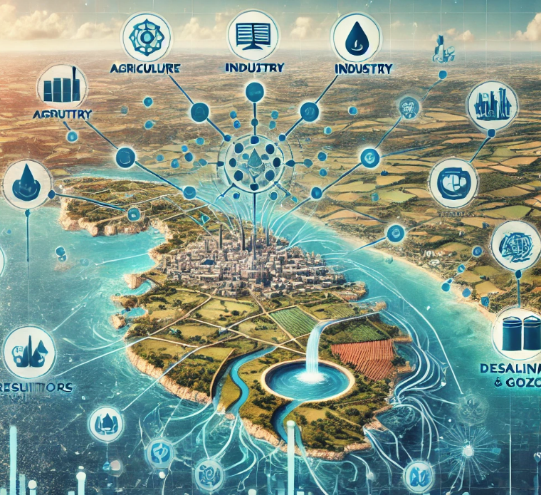
Proposed to assess sectoral water demand in Malta and Gozo under LIFE-IP using econometric modeling. Delivered 50-year forecasts across domestic, agricultural, industrial, and tourism sectors to support integrated planning and ArcGIS-based scenario tools.
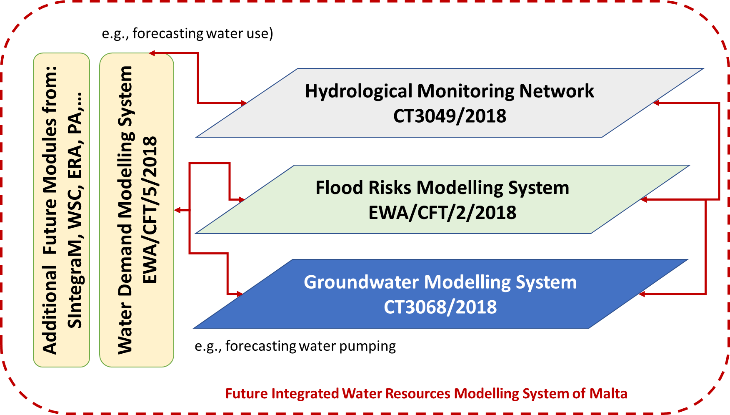
Proposed to develop GIS-integrated groundwater flow models supporting Malta’s 2nd River Basin Management Plan. Covered variable-density simulations, ArcGIS integration, data gap analysis, and training of EWA staff for sustainable aquifer resource planning.

Implemented integrated coastal ecosystem management on Salamina Island through water quality monitoring, pollution modelling, and satellite analysis. Pilots addressed waste management, coastal restoration, and marine habitat protection under MEDSPA funding.

EIA for a hydroelectric scheme at Metsovitikos involving dam construction and flow regulation. Focused on soil stability, biodiversity, flow regime, waste disposal, and income benefits for the local area.

Design and EIA of a 154,000m³ reservoir on Ios Island for water supply and irrigation. Included flood protection, sediment control, and mitigation of ecological and landscape impacts.
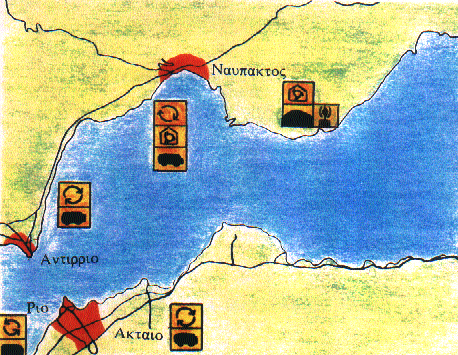
Designed and implemented a pilot solid waste management program in Nafpaktos, Antirrio, Rio, and Aktio. Covered urban recycling, composting, biogas collection, and public awareness campaigns to enhance waste treatment efficiency.
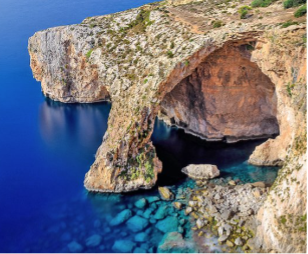
The project delivers management plans & legislative frameworks for all 34 terrestrial NATUA 2000 sites for the Maltese Islands.
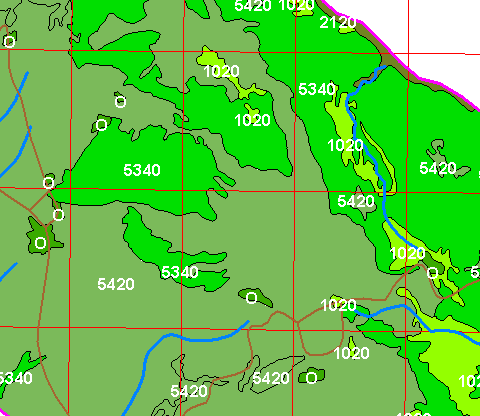
Mapping and classification of flora habitats in 68 NATURA 2000 sites across Peloponnese and Western Greece. Included GIS-based field data integration, rare species mapping, and land cover digitization with final maps at 1:20,000 and 1:50,000 scales.

NATURE-SDIplus aims, through state-of-the-art methodologies and best practice examples, to improve harmonisation of national datasets and make them more accessible and exploitable.

Developed a neurocomputing-powered framework to enhance climate modelling and adaptation strategies. Delivered co-creation tools, digital dialogues, and AI modules to support the EU Adaptation Strategy and climate literacy.
Proposed to establish a Europe-wide network of demonstration farms implementing Integrated Pest Management (IPM). Included stakeholder platforms, training modules, national IPM hubs, policy recommendations, and data sharing via a collaborative digital environment.

Proposed to develop a hybrid autonomous underwater system combining AUV and glider technologies. Delivered enhanced energy efficiency, secure data transmission, deep-sea mapping capabilities, and operational autonomy with low-cost deployment systems.
TRL9 web platform for life-cycle optimization in shipping. Delivered decision support tools, lifecycle KPIs, and risk-reducing algorithms for vessel design, operation, and end-of-life strategies.

Smart city digital twin ecosystem for disaster resilience. Integrated Copernicus, UAVs, and AI for early warning, real-time risk monitoring, and emergency simulation with cross-border collaboration features.

Environmental Impact Assessment for the Platamon section of the Athens–Thessaloniki High-Speed Railway. Evaluated air quality, noise, landscape aesthetics, and cultural heritage, with mitigation measures including noise barriers and slope planting.
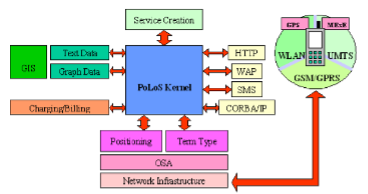
The main objective of the IST/POLOS project is the design and implementation of an integrated Platform for Location-Based services, covering the latest technological achievements in the sector of Geographical Information Systems, positioning techniques and network interfaces, in order to de-sign and implement a platform capable of providing full functionality aimed to design, create and deploy

Preliminary Environmental Impact Assessment for a 15km pipeline supplying water from Polyphytos reservoir to Kardia and St. Dimitrios power stations. Studied physical and biological environment, ensuring system reliability ahead of Athens 2004 Olympic needs.
This project aimed at cataloguing and documenting the basin status of Mikri Prespa (environment, social environment, economic environment, administrative environment. and producing a water and agricultural management plan up to year 2015. The Plan considered two strong components: the environment and the social-economic.
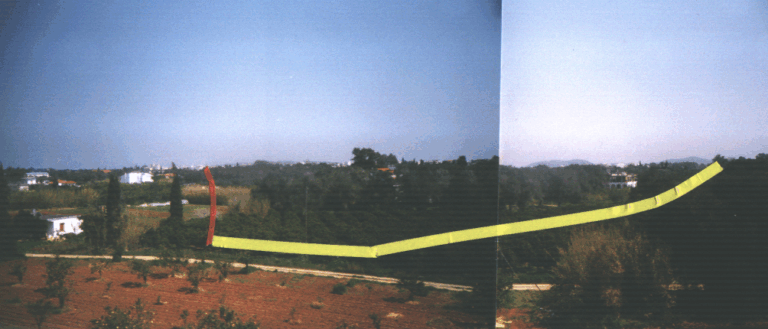
Environmental Impact Assessment for the Preveza Perimetric Road and junction with the undersea Igoumenitsa–Aktio link. Aimed to divert heavy traffic from city center while mitigating construction noise, runoff, and vegetation loss.
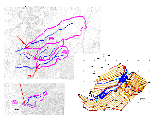
The project examined the application of different hydraulic scenarios for the flood forecasting and water management for the watersheds of the areas Filia, Charadros, Dessylas, Siamos, Xerillas in the Region of Peloponnese.
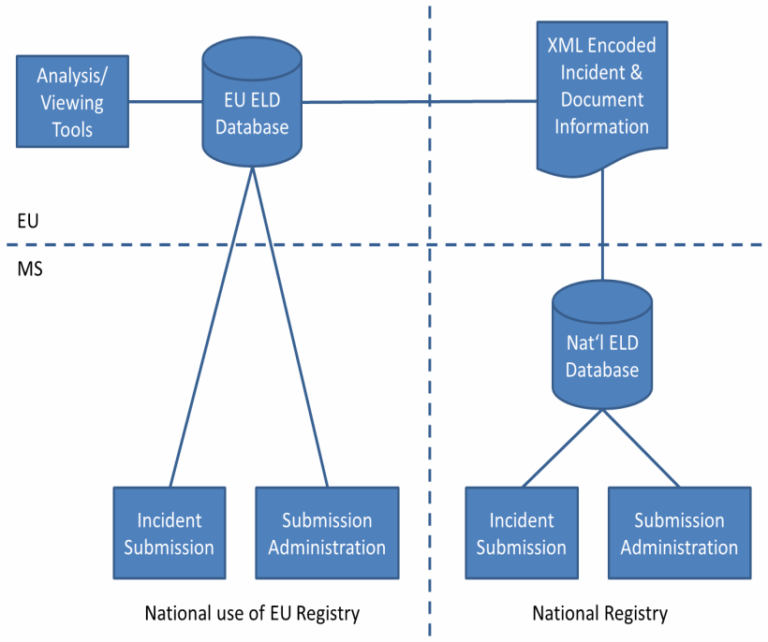
Proposed to support Phase 1 of the REFIT actions for the Environmental Liability Directive. Delivered registry design, legal analysis, harmonized definitions, stakeholder engagement, and capacity-building tools under DG Environment framework contract ENV.D.4.
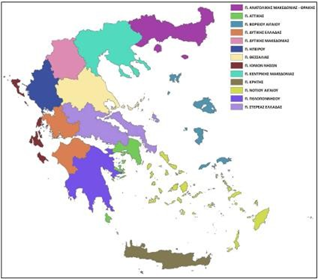
Delivered Greece’s revised National Waste Management Plan (NWMP) aligned with EU Directive 2008/98/EC. Included 18 sectoral waste plans, geospatial mapping, cost-benefit analysis, financing strategies, and a regulatory framework supporting circular economy goals.
The project delivered applications of hydraulic scenarios for flood forecasting and water management for the watersheds (areas) megalo monastiri, mirko peribolaki, velestino, and skopelos in the Region of Thessalia, Fourka, sikia in the Region of Macedonia, and Thasos.
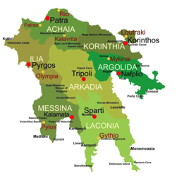
River Basin Management Rehabilitation Damage Studies of fire-ravaged areas of the Peloponnese Region
The project examines the application of different hydraulic scenarios for the flood forecasting and water management for the watersheds of the areas Filia, Charadros, Dessylas, Siamos, Xerillas in the Region of Peloponnese.
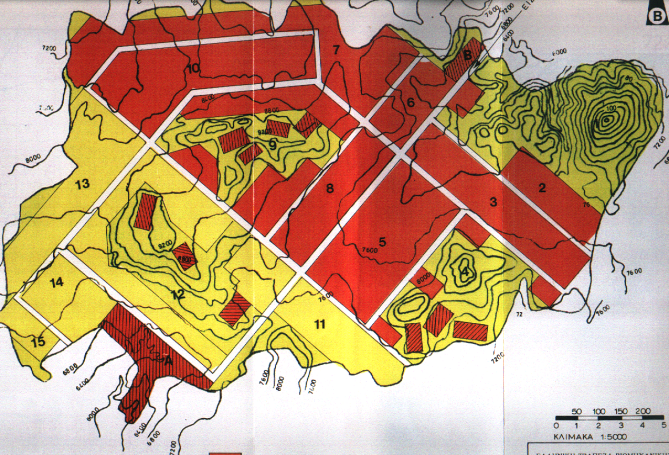
The project involved the Environmental Impact Assessment for a 97ha industrial zone near Rhodes city, targeting the relocation of industries, mitigation of pollution, and economic development of the prefecture.
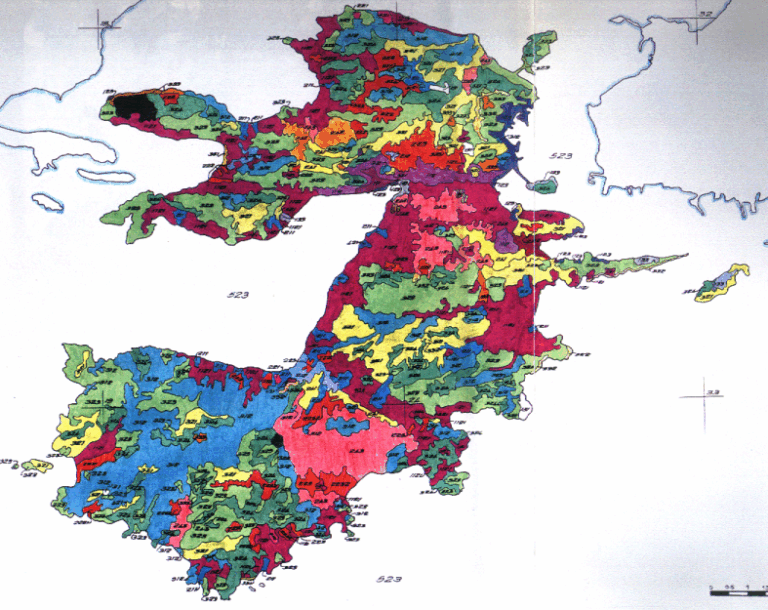
The project developed an integrated environmental management plan for Salamina, focusing on coastal protection, pollution modeling, satellite imagery analysis, and pilot actions in waste and nature conservation.
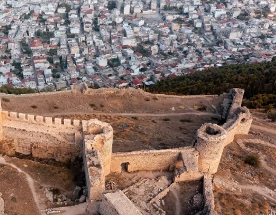
The project creates a fully integrated water system which ties together all parts of the network, including the geographic information system (GIS), water leakage management system, pumping station control systems and the SCADA systems at each service branch.
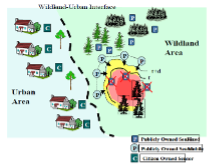
SCIER is implementing a multi-risk management platform, characterized by an open architecture based on EU standards, which incorporates different models that share common data inputs and deliver standardized outputs that can be visualized and analysed via a GIS user-friendly environment.
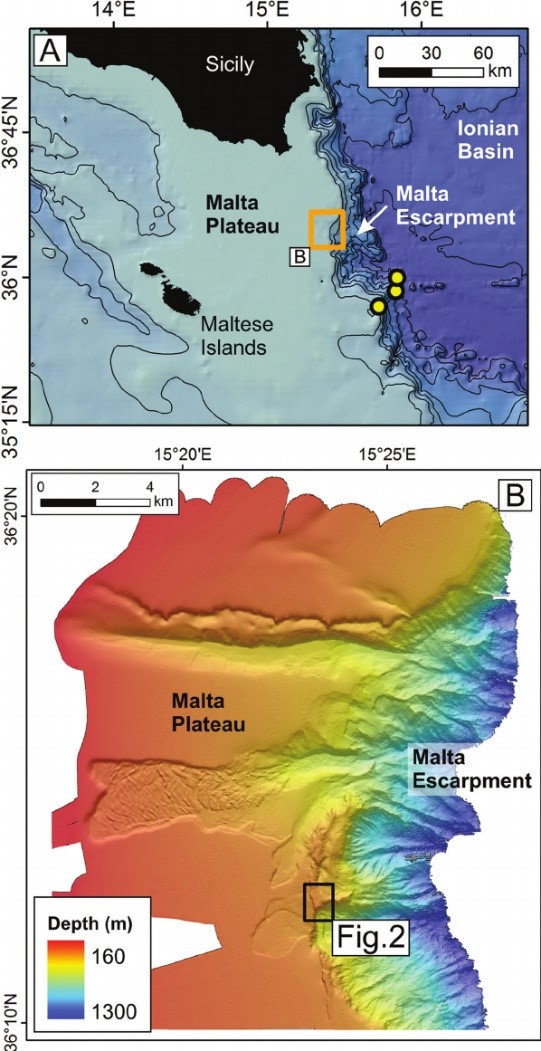
Proposed to deliver high-resolution multibeam mapping and bottom characterization in five marine zones around Malta. Included sediment sampling, geophysical interpretation, and digital seafloor maps to support national marine spatial planning and conservation actions.

Implemented Malta’s Shared Environmental Information System aligned with INSPIRE and EEA protocols. Developed SDI infrastructure, Geoportal tools, and interoperable databases for air, water, land, and noise data.
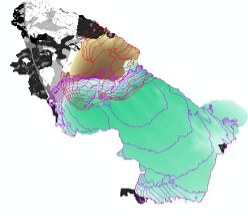
Integrated wild-fire forestry emergency management / monitoring system for the Sex-Sou Forest, N. Greece, based on 16 pilar sensors/cameras, image recognition etc. tech.
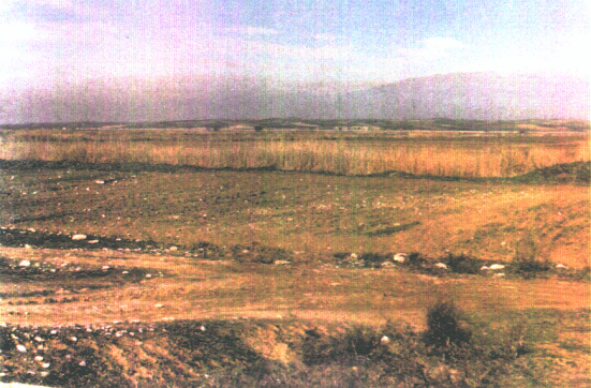
Environmental Impact Assessment for the V Irrigation Project of Serres, spanning 4,500 ha with intakes from Strymonas and Aggitis rivers. Addressed changes to river flow, agricultural runoff, noise, and habitat disturbance, proposing minimum flow and pollution mitigation.
EIA for expanding and modifying Serres landfill operations. Evaluated slope stability, capacity optimization, biogas and leachate management, and flood protection, ensuring regulatory compliance under the Waste Framework Directive.
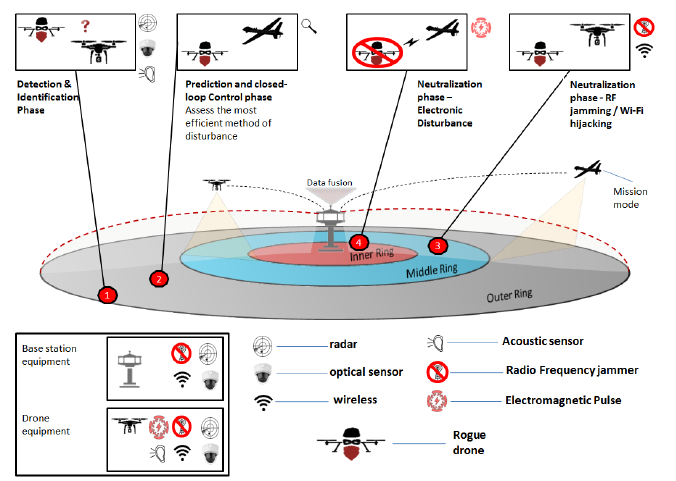
Proposed to deploy a multi-tier cybersecurity and threat-detection platform for protecting water infrastructure using IoT, UAV/USV surveillance, and AI analytics. Covered early-warning, anomaly detection, physical intrusion prevention, and cyberattack countermeasures.
Proposed to deploy a multi-tier cybersecurity and threat-detection platform for protecting water infrastructure using IoT, UAV/USV surveillance, and AI analytics. Covered early-warning, anomaly detection, physical intrusion prevention, and cyberattack countermeasures.
NEXUS modeling platform addressing complexities of interconnection between Land, Food, Energy, Water and Climate via thematic simulation themes and Dashboard tech.
Creation of a cohesive spatial data infrastructure (SDI) for all Maltese entities, ensuring standardized interoperability of 70+ interconnected Geomatics systems
Proposed to create a unified spatial data infrastructure across over 40 Maltese government entities. Delivered an ArcGIS-based interoperable portal, enhanced policymaking through geospatial integration, and provided user training for public sector administrators.
Proposed to implement a national-level training program in GIS and remote sensing for 140 public servants across Maltese agencies. Included modular certification (MQF 4.1 and 5.1), practical skills, and evidence-based planning support for Malta’s land administration and spatial governance.

Services for tourism, transport, environment, health, civil protection, under a 3D Tablet-PC interface, for 20+ Mediterranean Islands, Greece, Italy, Spain, Cyprus, Malta.
Information and Communication Technologies (ICT) for the sustainable, individualized and completely automated energy management of ships via. AI supported navigation.
Supporting Action to turn the challenges of the INSPIRE implementation into business opportunities for the Geo-ICT European SMEs, with an EU-wide completion.
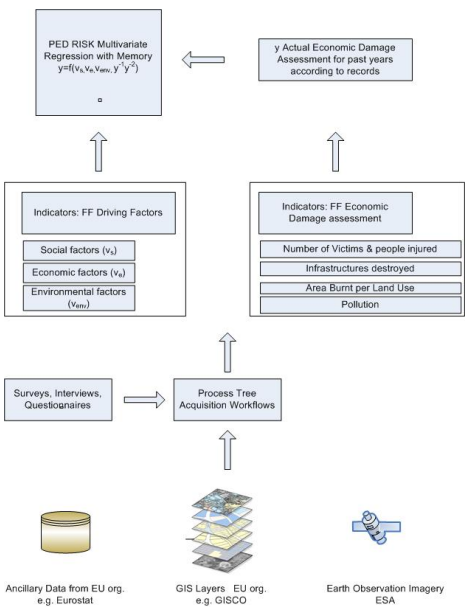
Created a socio-economic toolbox and mathematical model to evaluate forest fire prevention vs. recovery. Developed EU-wide guidelines, risk indicators, and facilitated global knowledge exchange on forest fire resilience.
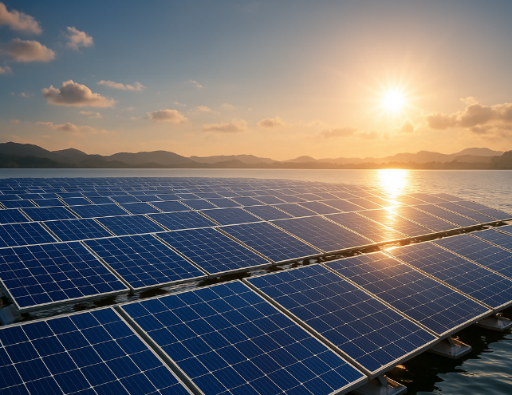
Proposed to design, build, and test a resilient offshore floating solar platform (FPV) for harsh oceanic environments. Delivered TRL6 prototypes, structural testing, circular materials evaluation, and commercialization strategy aligned with EU ocean energy objectives.

Port extension on the western side of Souda Bay. Addressed dredging, breakwater construction, and expected traffic increase, with mitigation measures for oil spills, sea pollution, and construction-related waste.
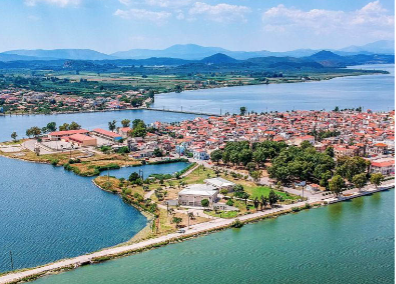
The project is an integrated study covering an area of 25 square Kilometres (km2) around the town and the villages of Messolonghi, W. Greece. It concerns the rehabilitation and extension of the storm drainage and sewage networks, the waste water treatment plant, the upgrading of the St. Paul canal and other supporting works. Its aim

The project evaluated and compared investment schemes based on their completeness, effectiveness, gap and cost benefit analyses. Within the scope of this contract, EPSILON provided technical, financial, economic, legal, administrative and environmental expertise.

Delivered smart services for energy-efficient urban management. Developed tools for building energy assessment, public lighting optimization, and heating control using weather forecasts and GIS data, with pilots across European cities.
The overall objective of the project was the design and development of a Geographic Information System for the prevention and monitoring of natural disasters that derived from forest fires at the university forest Taxiarchis – Vrastamon as well as a zone of one kilometre around the forest.
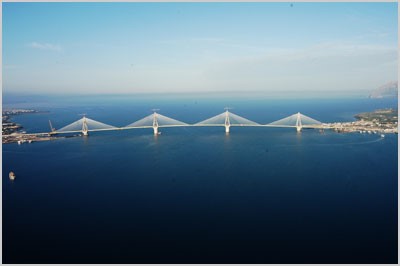
Provided technical support for large-scale infrastructure in Western Greece (Patras Port, Rion-Antirion Bridge). EPSILON delivered real-time consulting, ISO-standard reporting, and coordinated with multiple stakeholders for project oversight.
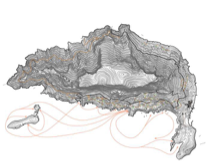
The objective was the preparation of the Strategic Environmental Impact Assessment (SEA) in accordance with the requirements of part b of paragraph 2 of Article 12 Sec. B of Law 3986/2011, to submit the dossier for ESHADA approval, in the preliminary environmental documentation of key development proposals and institutional nature to propose measures that will
Created an online GIS-based urban navigation toolkit providing environmental and infrastructure information. Deployed in Antwerp, Munich, and Athens, offering maps, pollution data, and routing info via browsers and Info Kiosks.
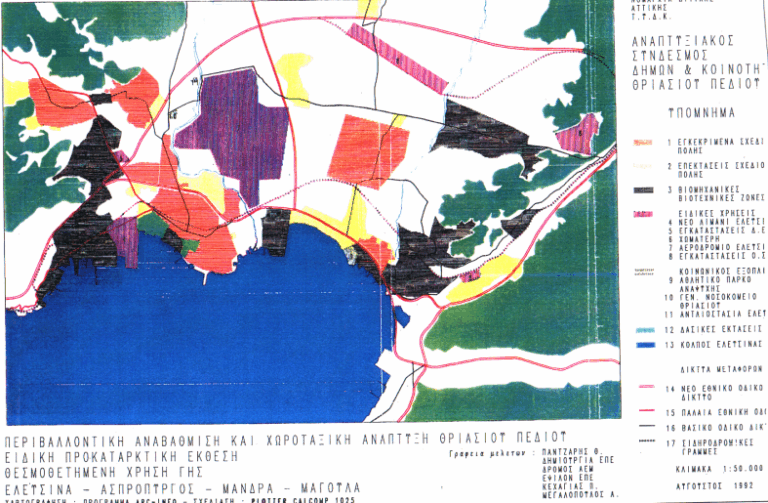
The project aimed to environmentally upgrade Thriassio Pedio through integrated town planning, industrial activity control, and the rehabilitation of degraded areas across Elefsina, Aspropyrgos, Mandra, and Magoula.
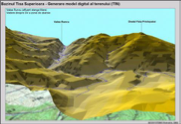
The TISA project improves the existing flood forecasting using meteorological, hydrological and water quality data as well as broadcast of warnings.
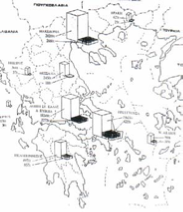
The project involved collection and analysis of data, obtained from the public and private sectors, on toxic and hazardous waste, in entire Greece.

Harmonized logistics platform integrating AI and blockchain for real-time planning and event management. Focused on synchro-modal operations, EU-wide demonstrators, and policy recommendations for sustainable logistics.

Promoting climate adaptation acceleration by testing water-focused innovations in European demonstrators. Delivered socio-economic modelling tools, co-created adaptive pathways, and designed replication-ready solutions with impact evaluation.
The project supported the National River Basin Monitoring Network (NMN) in Greece, including data quality control, database development, annual reporting, and revision of monitoring stations in line with WFD.
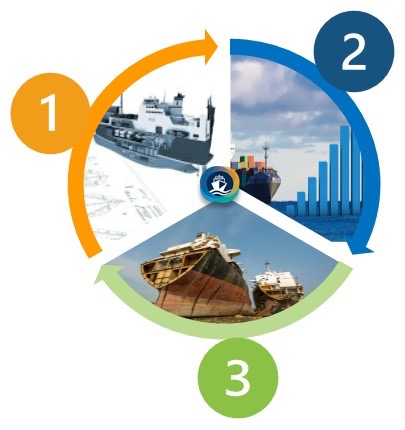
Integrated LCA/LCC/LCPA life cycle technology and DSS to optimizing shipping building, ship operations, and ship end of life (scrap), based on operations research modelling
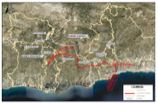
The main objective of these studies was the localization and evaluation of potential environmental impacts incurred from the construction and operation of the Road Viannos – Ierapetra of the south road network of Crete and the proposal of appropriate mitigation measures and monitoring plan.
Proposed to assess long-term sectoral water demand in Malta under the LIFE-IP initiative. Delivered econometric modeling forecasts for domestic, agricultural, industrial, and tourism sectors, integrated with ArcGIS for planning and scenario analysis over a 50-year horizon.
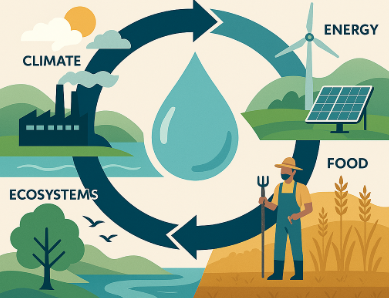
Proposed to operationalize the water–energy–food–ecosystem nexus in EU and regional policies. Delivered the WATNex Suite of tools, stakeholder engagement strategy, and policy integration pathways to support SDGs, climate resilience, and nexus-aligned decision-making.
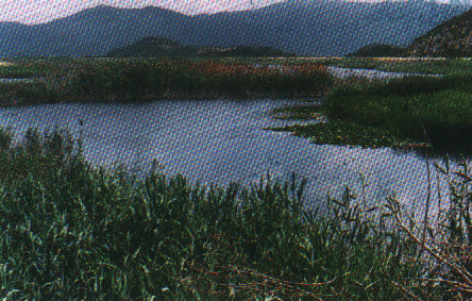
Environmental Impact Assessment for irrigation development in Yalova, Peloponnese, addressing competition with residential land use, water quality impacts, and potential wetland management.
Remote sensing (ESA/Copernicus) technology delivering sustainable solutions to overcome broomrape plant parasitism in Mediterranean agricultural systems.